Postural orthostatic tachycardia syndrome, or POTS, affects the body's automatic control of blood flow when you stand. The heart rate rises more than expected, and symptoms may make daily activities difficult.
Symptoms to discuss
Symptoms often worsen with standing, heat or illness. Some people also have nausea, headaches or difficulty with exercise.
Tell your doctor when symptoms happen, how long they last and what seems to help.
How POTS is checked
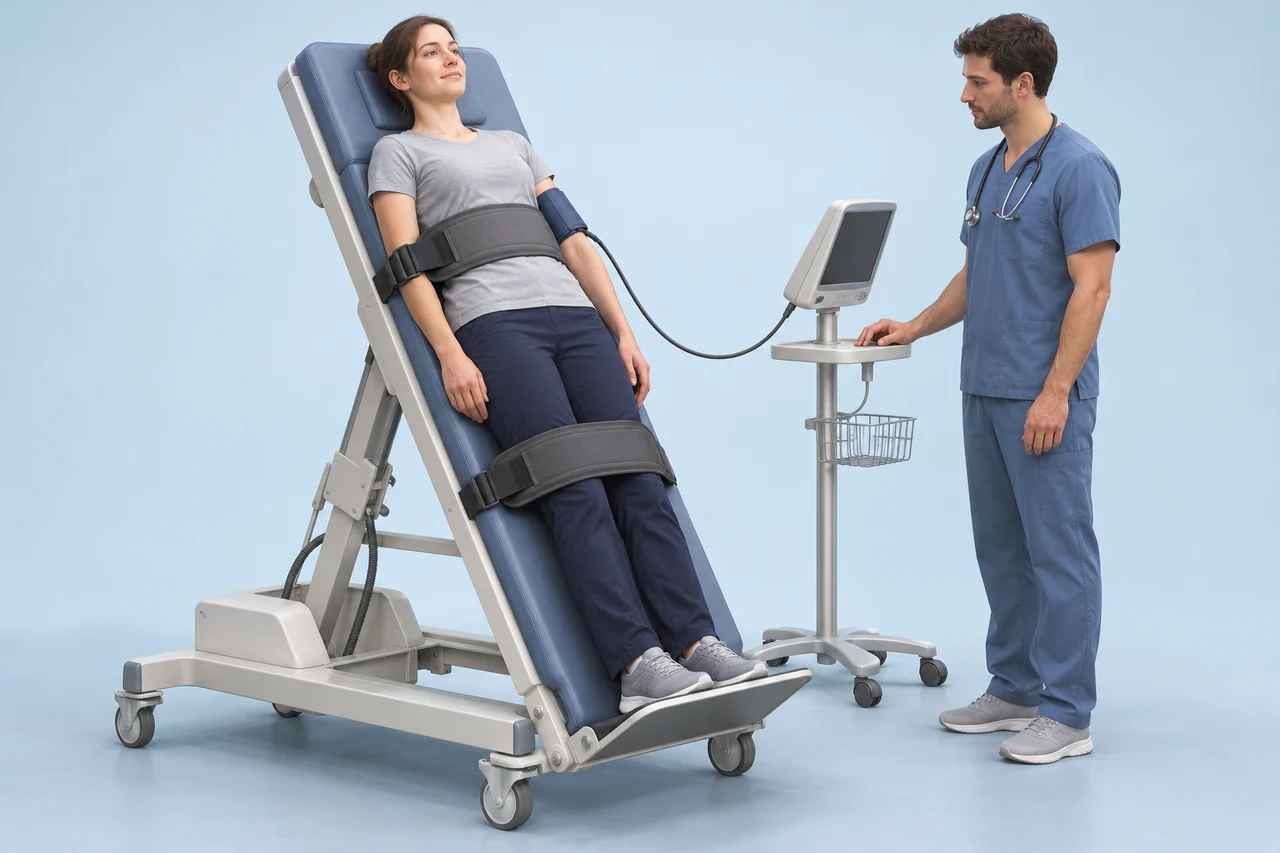
Your doctor reviews your symptoms and measures heart rate and blood pressure while you lie down and stand. A tilt-table test may help show how your body responds to being upright.
Other causes, including dehydration and blood loss, need to be considered before a diagnosis is made.
Finding a plan that helps
Treatment may include a plan for fluids, compression garments, activity that fits your tolerance and medicines. Your doctor adapts the plan to your other health conditions and how you respond.
Katie Ledecky on living with POTS
Olympic swimmer Katie Ledecky discusses her experience with POTS in a June 11, 2024 interview with SELF. She talks about sharing her diagnosis, managing symptoms and working with her health care team.
Read Katie Ledecky's interview in SELF