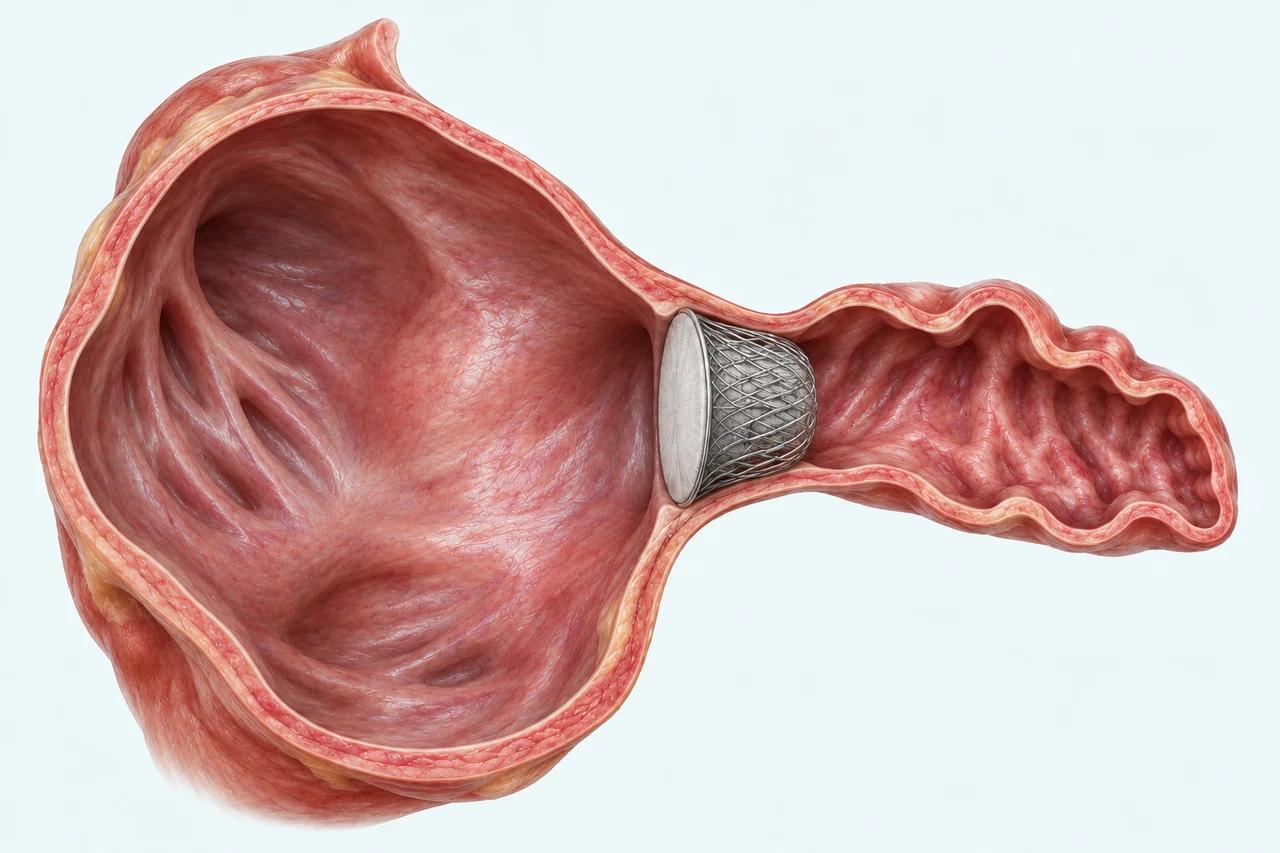
The left atrial appendage is a small pouch in the upper left chamber of the heart. In some people with atrial fibrillation (AFib), blood clots can form there. An occluder device seals the pouch to help reduce stroke risk.
Who it may help
Your doctor considers your type of AFib, stroke risk, bleeding history and the shape of the pouch. The procedure may be an option if long-term blood thinners are difficult or unsafe for you.
How it is placed
A doctor guides the device through a catheter into the heart. The device stays in place to close the pouch.
Care after the procedure
You need follow-up scans and a medicine plan while the area heals. Your heart team checks the seal and explains any changes to your medicines.
Questions patients ask
Who may benefit from an occluder device?
It may be an option for some people with atrial fibrillation who have a stroke risk and a reason to avoid long-term blood thinners. Your heart team reviews your history and scans.
What risks should I discuss?
Ask about bleeding at the catheter entry site or around the heart, infection, and clots on the device. Your team explains the benefits and risks for you.
What follow-up will I need?
Heart imaging helps check the device and how well the opening is sealed. Your team gives you a follow-up schedule and a medication plan.
Can I stop blood thinners immediately?
Having a device does not mean you can immediately stop medicine. Short-term clot-prevention treatment is commonly needed, and some people need longer treatment. Follow your prescribing clinician's instructions.
Further reading
SCAI: left atrial appendage occlusion and follow-up